Sewer System Replacement in Denver, CO
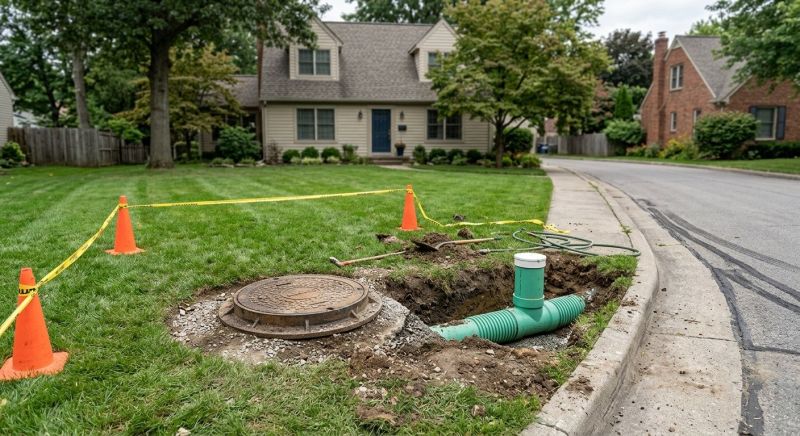
Sewer system replacement services involve removing and installing new sewer lines to ensure proper waste removal and prevent potential plumbing issues. These projects typically address aging or damaged sewer pipes, blockages caused by tree roots, or systems that no longer meet the needs of the property. Homeowners often request this service after experiencing frequent backups, foul odors, or signs of leaks, as well as during major renovations or property upgrades that require updated plumbing infrastructure.
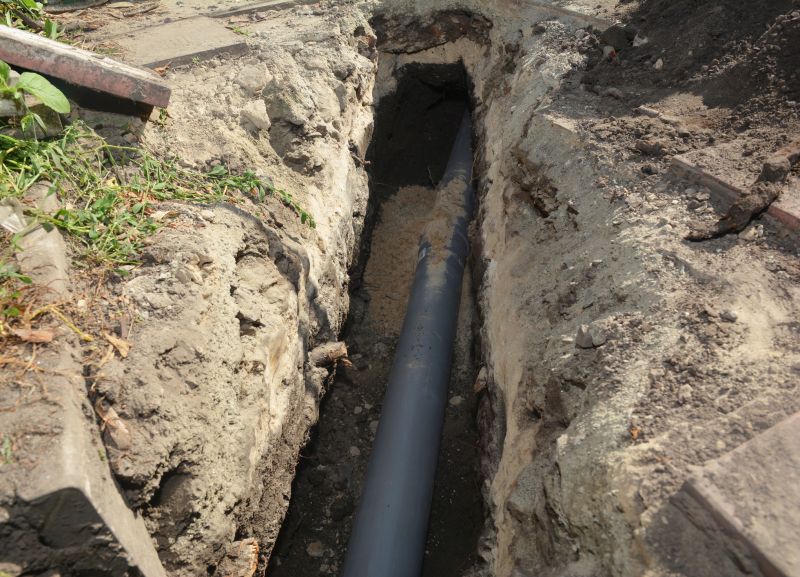
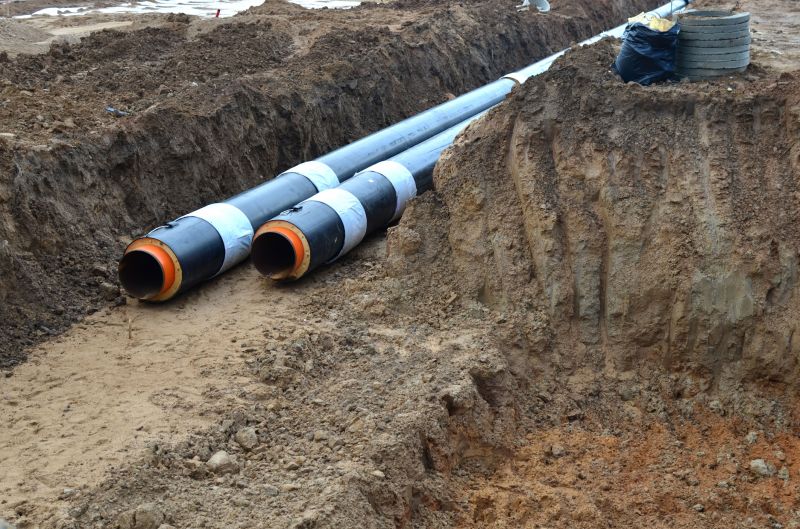
Before requesting sewer system replacement, property owners should understand the scope of the project, including the extent of pipe damage and the location of existing sewer lines. It is also important to consider the impact on landscaping and property access, as excavation may be necessary. Clarifying the type of replacement method, such as traditional trenching or trenchless options, can help ensure the project aligns with property needs and minimizes disruption.
Many property owners in Denver, CO look into Sewer System Replacement for repairs, replacements, upgrades, and appearance-related improvements.
Signs Of Sewer System Issues
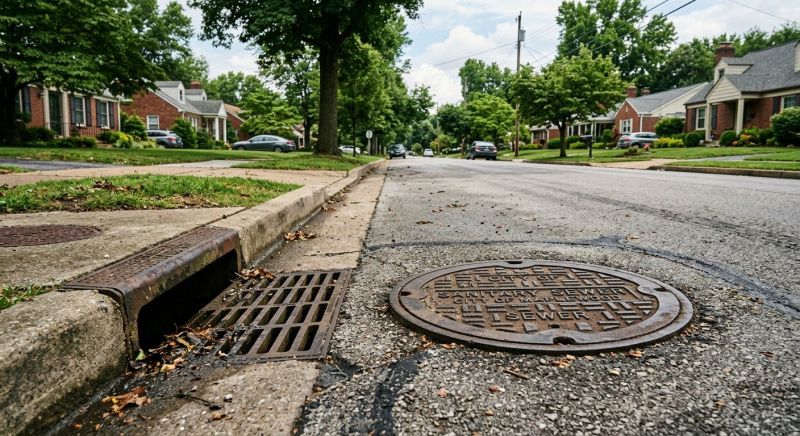
Homeowners may notice slow drains, gurgling sounds, or foul odors indicating sewer problems.
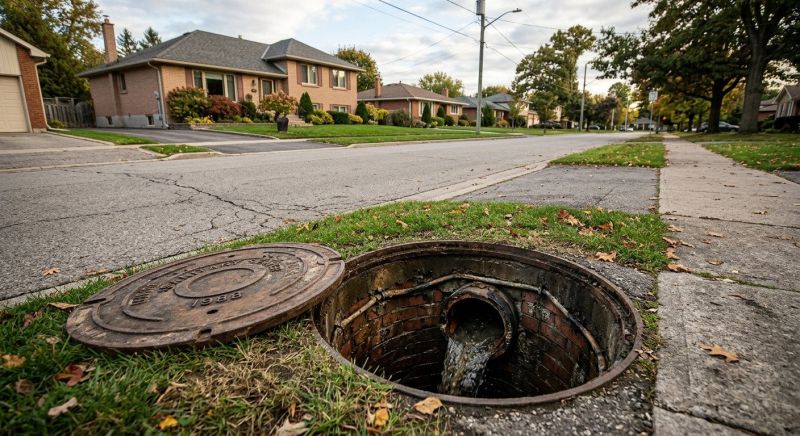
Reasons For Replacement
A sewer system may need replacement due to age, frequent backups, or significant pipe damage.
Benefits Of A New System
Replacing an outdated sewer line can improve flow, prevent backups, and enhance property value in denver area homes.
Sewer System Replacement in Denver, CO
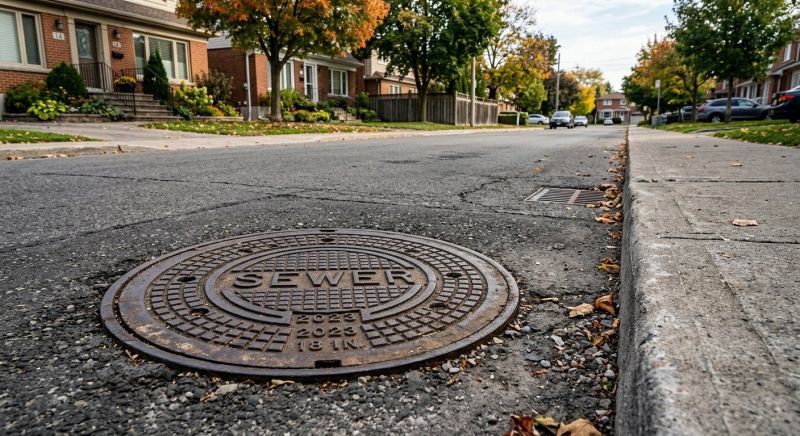
Sewer system replacement services involve removing and installing new sewer lines to ensure proper waste removal and prevent potential plumbing issues. These projects typically address aging or damaged sewer pipes, blockages caused by tree roots, or systems that no longer meet the needs of the property. Homeowners often request this service after experiencing frequent backups, foul odors, or signs of leaks, as well as during major renovations or property upgrades that require updated plumbing infrastructure.
Before requesting sewer system replacement, property owners should understand the scope of the project, including the extent of pipe damage and the location of existing sewer lines. It is also important to consider the impact on landscaping and property access, as excavation may be necessary. Clarifying the type of replacement method, such as traditional trenching or trenchless options, can help ensure the project aligns with property needs and minimizes disruption.
Many property owners in Denver, CO look into Sewer System Replacement for repairs, replacements, upgrades, and appearance-related improvements.
Common Sewer System Replacement Jobs
Sewer system replacement involves removing and installing new sewer lines to ensure proper waste flow.
Full sewer line replacement addresses severe damage or deterioration in existing pipes.
Trenchless sewer replacement minimizes surface disruption by replacing pipes without extensive digging.
Sectional sewer replacement involves replacing specific damaged segments of the sewer line.
Main sewer line replacement is necessary when the primary sewer line is blocked or broken.
Emergency sewer replacement provides prompt work for urgent sewer failures or backups.
Sewer System Replacement Questions
What signs indicate a sewer system replacement is needed? Signs include persistent clogs, foul odors, and sewage backups in the property.
What types of projects typically require sewer system replacement? Projects often involve aging pipes, frequent blockages, or significant property renovations.
How does a sewer system replacement improve property value? Replacing an outdated sewer system can prevent future issues and support overall property maintenance.
What should property owners consider before replacing a sewer system? It’s important to evaluate the extent of pipe damage and the impact on property operations.
Request Sewer System Replacement in Denver, CO
Use the quote form on this page to share the basics of your project and request more information for the type of work you need.